A Comparative Analysis of Chinese and Western Education Systems
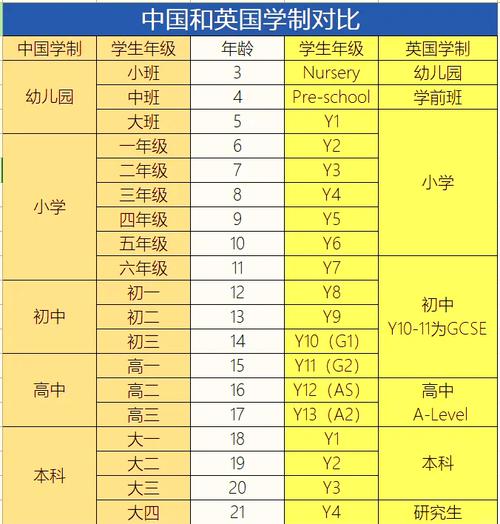
Education systems across the globe reflect cultural values, historical contexts, and societal goals, with Chinese and Western education representing two distinct paradigms. While both aim to cultivate capable individuals, they diverge significantly in philosophy, pedagogy, assessment, and outcomes. Understanding these differences is crucial for fostering cross-cultural educational collaboration and innovation.
Philosophical Foundations and Educational Goals
The core divergence lies in their underlying philosophies. Traditional Chinese education is deeply rooted in Confucianism, which emphasizes collectivism, moral cultivation, and respect for authority. Education is seen as a means to cultivate "virtuous individuals" (君子) who contribute to social harmony and national development. The Gaokao (National College Entrance Examination), a high-stakes test, epitomizes this focus on standardized evaluation, as it serves as a primary pathway for social mobility, reflecting the belief in fair competition through meritocracy.
In contrast, Western education, particularly in countries like the United States and the United Kingdom, is influenced by Enlightenment ideals and progressive educational theories (e.g., Dewey’s pragmatism). It prioritizes individualism, critical thinking, and personal fulfillment. Education is viewed as a tool to nurture independent, creative thinkers who can challenge norms and pursue diverse life paths. Standardized tests exist, but they are often complemented by holistic assessments of extracurriculars, essays, and personal achievements, emphasizing well-rounded development over rote memorization.
Teaching Methods and Classroom Dynamics
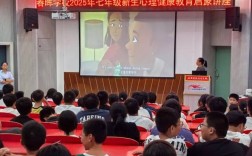
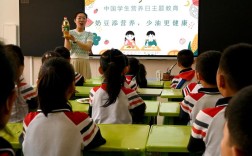
Classroom practices further illustrate these differences. In Chinese education, teacher-centered instruction prevails. Teachers are regarded as authoritative figures who impart knowledge through lectures, while students are expected to listen attentively, take notes, and master content through repetition and practice. The "chalk-and-talk" method is common, with a strong emphasis on foundational subjects like mathematics, science, and Chinese language. Discipline and respect for teachers are highly valued, and classroom interaction is often limited to teacher-student Q&A rather than peer discussions.
Western classrooms, by contrast, tend to be student-centered. Teachers act as facilitators, encouraging active participation, group discussions, and project-based learning. Collaborative activities, debates, and hands-on experiments are prioritized to develop problem-solving and communication skills. For example, in a U.S. high school, students might work in teams to design a scientific experiment, while in China, a similar lesson might involve step-by-step instructions from the teacher followed by individual practice. This approach fosters creativity but can sometimes result in less structured content coverage compared to Chinese systems.
Curriculum Focus and Assessment
Curriculum design also reflects cultural priorities. Chinese education places a strong emphasis on core academic subjects, with rigorous standards for math, science, and language arts. The curriculum is often standardized nationally, ensuring consistency but offering limited flexibility for schools or students to explore niche interests. Arts, sports, and vocational training are often secondary, though recent reforms aim to balance academic rigor with holistic development.
Western education offers a more diversified curriculum, with greater emphasis on elective courses, arts, sports, and vocational training. For instance, U.S. high schools typically require students to take credits in English, math, science, social studies, and foreign languages, but also offer options like psychology, coding, theater, and photography. Assessment is similarly varied: while Chinese students rely heavily on exam scores (e.g., Gaokao, midterms), Western students are evaluated through a combination of exams, essays, presentations, class participation, and projects, providing a more comprehensive view of their abilities.
Parental and Societal Involvement
Societal attitudes toward education also shape these systems. In China, parents play an intensely involved role, often viewing education as the key to their child’s future. They invest heavily in tutoring, homework supervision, and extracurricular academic programs, creating a high-pressure environment. Societal expectations further amplify this, as academic success is closely tied to family honor and future career prospects.
Western parents, while supportive, generally adopt a more hands-off approach, encouraging children to explore interests independently. Societal values emphasize work-life balance, and education is seen as one aspect of a fulfilling life, not the sole determinant of success. Tutoring is less stigmatized but not as universally embraced as in China, and extracurricular activities often focus on personal growth (e.g., sports, volunteering) rather than purely academic gains.
Outcomes and Challenges
These differences produce distinct outcomes. Chinese students consistently excel in international assessments like the Programme for International Student Assessment (PISA), particularly in math and science, reflecting the strength of their foundational training. However, critics argue that this system may stifle creativity and critical thinking, as students are often less adept at open-ended problem-solving or independent research.
Western education, while fostering creativity and communication skills, sometimes faces criticism for inconsistent academic rigor. Students may graduate with strong soft skills but gaps in core knowledge, particularly in STEM fields. Nonetheless, Western systems are praised for producing innovative thinkers and adaptable individuals, traits highly valued in dynamic, globalized economies.
FAQs
Q1: Do Chinese students have more academic pressure than Western students?
A1: Yes, generally. Chinese students often face intense academic pressure due to the high-stakes Gaokao, heavy homework loads, and parental expectations for top academic performance. In contrast, Western students typically experience more balanced schedules, with greater emphasis on extracurriculars and personal well-being, though elite institutions may still create significant pressure.
Q2: Which education system is better for fostering creativity?
A2: Western education is often perceived as more conducive to creativity due to its student-centered approach, emphasis on critical thinking, and flexible curricula that encourage exploration. However, Chinese education is evolving, with recent reforms integrating more project-based learning and interdisciplinary studies to nurture innovative skills. The "best" system depends on balancing foundational rigor with creative freedom.