Of course. Here is a comprehensive English essay on the differences between Chinese and American family education. It is structured with an introduction, body paragraphs comparing key aspects, and a conclusion, making it suitable for an academic paper.
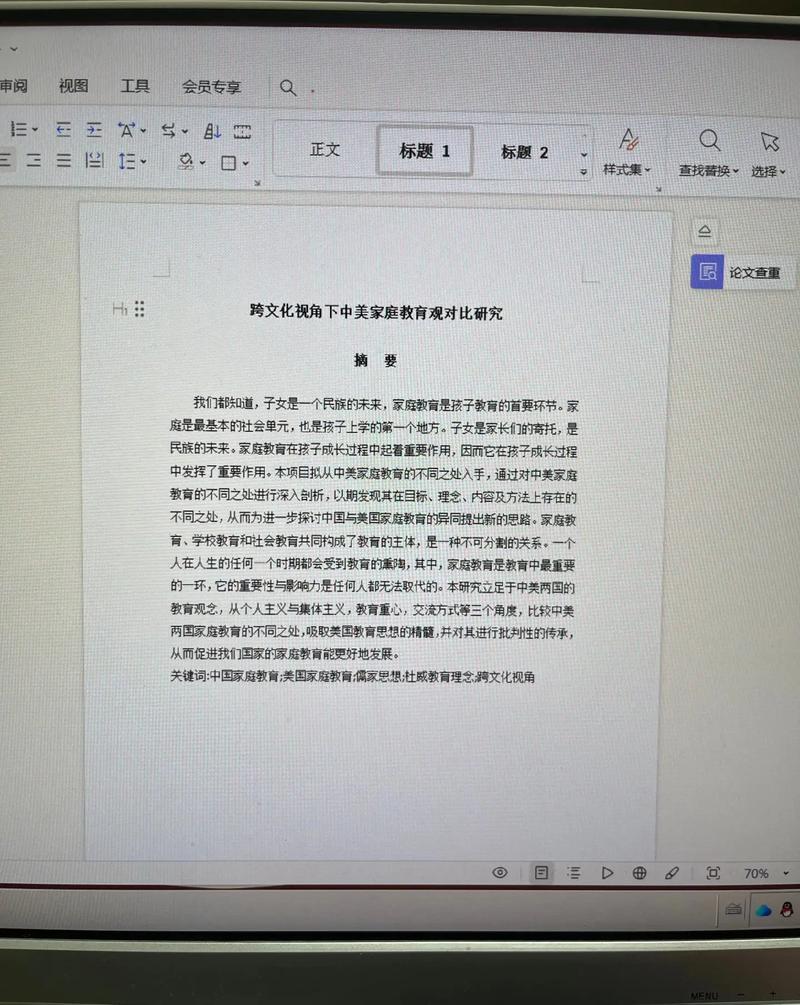
A Comparative Analysis of Chinese and American Family Education: Cultures, Values, and Outcomes
Introduction
Family education serves as the cornerstone of an individual's development, shaping their values, behaviors, and worldview. The methods and philosophies employed by parents are deeply embedded in the cultural, social, and historical contexts of their societies. China and the United States, two prominent global powers with vastly different cultural heritages, offer a fascinating case study for examining these divergent approaches. Chinese family education, often influenced by Confucian ideals, traditionally emphasizes collectivism, academic achievement, and filial piety. In contrast, American family education, rooted in Enlightenment values and individualism, prioritizes self-reliance, creativity, and personal happiness. This essay will explore the fundamental differences in Chinese and American family education by examining four key areas: the parent-child relationship, the definition of success and academic focus, the cultivation of independence, and the role of discipline and communication. By understanding these differences, we can gain a more nuanced perspective on how culture profoundly impacts the journey of raising a child.
Body Paragraph 1: The Parent-Child Relationship: Hierarchy vs. Partnership
The most fundamental difference lies in the underlying philosophy of the parent-child relationship. In traditional Chinese culture, heavily influenced by Confucianism, the family structure is hierarchical. Parents are seen as absolute authorities whose role is to guide, teach, and protect their children. Respect for elders, or xiao (孝), is a paramount virtue. Children are expected to obey their parents without question, and their personal desires are often secondary to the family's collective wishes. This creates a dynamic where the parent is the director and the child is the actor, following a pre-scripted path.
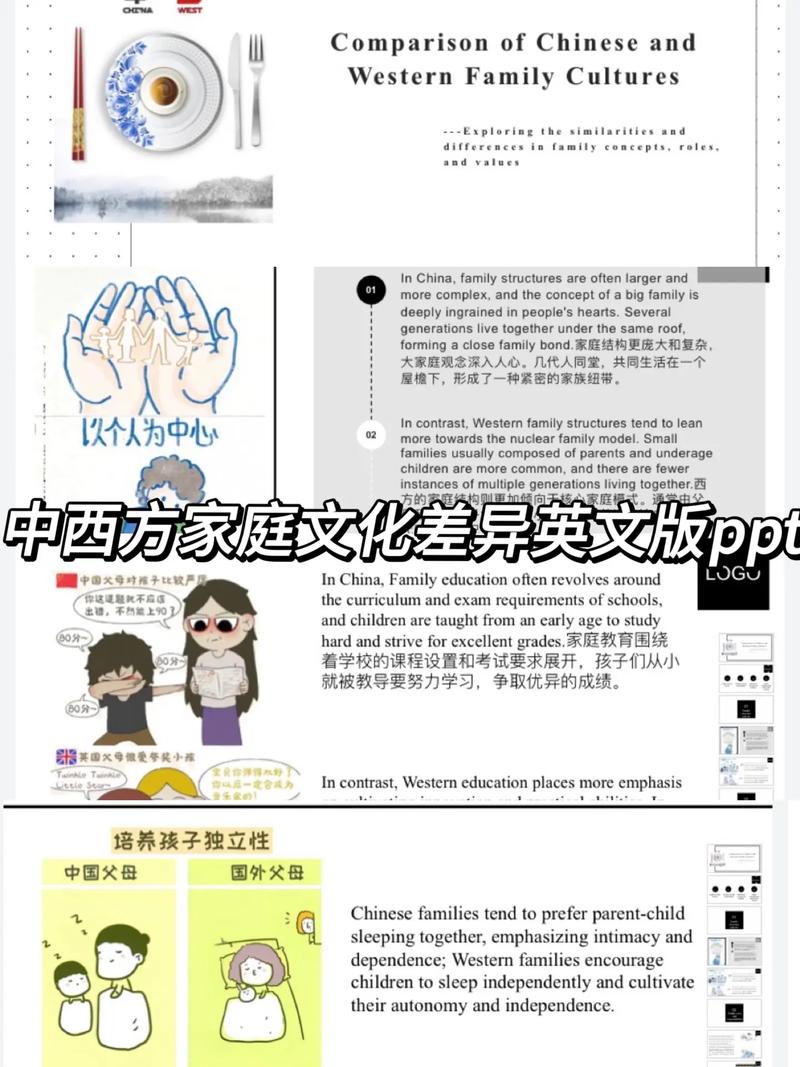
Conversely, American family culture generally fosters a more egalitarian and partnership-based relationship. While parents are still the primary caregivers and authority figures, there is a strong emphasis on treating children as distinct individuals with their own thoughts and feelings. Open communication is encouraged, and children are often consulted on decisions that affect them. This approach values the child's autonomy and seeks to build a relationship based on mutual respect and understanding rather than on unyielding authority. The goal is to raise a child who will one day be an independent, self-sufficient adult, capable of making their own decisions.
Body Paragraph 2: The Definition of Success and Academic Focus
The differing views on the parent-child relationship directly influence how success is defined and pursued, particularly in academics. In China, academic excellence is often the primary measure of a child's success and a source of immense pride for the family. The "tiger mom" phenomenon, popularized by Amy Chua, exemplifies this intense focus. Parents invest heavily in their children's education, enrolling them in numerous after-school tutoring classes, music lessons, and academic programs. The competition is fierce, and the ultimate goal is often admission to a top-tier university, which is seen as a direct path to a secure and prosperous future. This high-stakes environment prioritizes hard work, discipline, and results, sometimes at the expense of a child's leisure time and personal interests.
In the United States, while academic achievement is certainly valued, the definition of success is broader and more holistic. American parents tend to encourage a well-rounded development, placing equal importance on academic, athletic, artistic, and social skills. The emphasis is on discovering and nurturing a child's unique talents and passions, rather than simply achieving high test scores. Extracurricular activities like sports, drama clubs, and volunteer work are not just seen as resume-builders but as essential for developing teamwork, leadership, and social skills. This approach aims to foster intrinsic motivation and a love for learning, rather than an extrinsic drive for grades.

Body Paragraph 3: Cultivating Independence: The "Little Emperor" vs. The "Early Bird"
The approach to fostering independence in children is another stark contrast. In modern China, particularly in urban areas, the "little emperor" syndrome has become a common phenomenon. Due to China's one-child policy (now a two-child policy) and a tradition of multi-generational households, children are often the sole focus of attention from parents and grandparents. This can lead to overindulgence, where children's needs and wants are constantly met without being asked to contribute to household chores or solve their own problems. While parents may have high academic expectations, they may inadvertently hinder the development of practical life skills and self-sufficiency.
American parents, on the other hand, begin fostering independence from a very young age. Toddlers are often encouraged to dress themselves, and older children are regularly assigned household chores like cleaning their rooms or helping with meals. The rationale is that learning responsibility is crucial for building self-esteem and competence. Furthermore, American children are typically expected to manage their own schedules, finances (through an allowance), and social lives with minimal parental intervention. This hands-off approach is designed to prepare them for the realities of adult life, where they must be self-reliant and accountable for their own actions.
Body Paragraph 4: Discipline and Communication: Authority vs. Dialogue
Finally, the methods of discipline and communication reflect the core values of each culture. Traditional Chinese discipline is often characterized by authority and control. Parents may use directives, shaming, or corporal punishment to enforce obedience. The focus is on correcting the behavior itself, with less emphasis on explaining the underlying reasons or the child's emotional state. Communication is often top-down, with parents setting the rules and children expected to comply. Public criticism, while sometimes intended as a motivational tool, can be harsh and damaging to a child's self-esteem.
American discipline, in contrast, leans towards more communicative and psychological methods. The goal is often not just to stop a negative behavior but to teach the child why it was wrong and what the better alternative is. "Time-outs," positive reinforcement, and natural consequences are common strategies. There is a strong emphasis on open dialogue, where parents explain their reasoning and listen to the child's perspective. This approach aims to develop the child's internal moral compass and critical thinking skills, fostering a sense of accountability based on understanding rather than fear.
Conclusion
The differences between Chinese and American family education are profound and rooted in centuries of cultural evolution. Chinese education, with its focus on collectivism, academic rigor, and hierarchical respect, prepares children to be diligent, responsible members of a society that values harmony and group achievement. American education, with its emphasis on individualism, holistic development, and self-reliance, seeks to nurture creative, independent thinkers who are prepared to navigate a competitive and diverse world. It is crucial to recognize that neither approach is inherently superior; each has its own strengths and potential weaknesses. The intense focus of Chinese education can produce high-achievers but may stifle creativity and happiness. The freedom of American education can foster independence but may sometimes lack the structure and discipline needed for academic excellence. In an increasingly globalized world, many parents are now adopting a hybrid approach, seeking to blend the best of both worlds to raise well-rounded, resilient, and culturally aware children. Ultimately, the most effective form of education may be one that is thoughtfully tailored to the individual child, while remaining mindful of the powerful influence of culture.