The differences in education and culture between China and the United States are profound and multifaceted, shaped by distinct historical, social, and philosophical foundations. These differences manifest in teaching methodologies, learning objectives, student-teacher dynamics, and the broader role of education in society. Understanding these distinctions is crucial for fostering cross-cultural academic collaboration and global educational exchange.
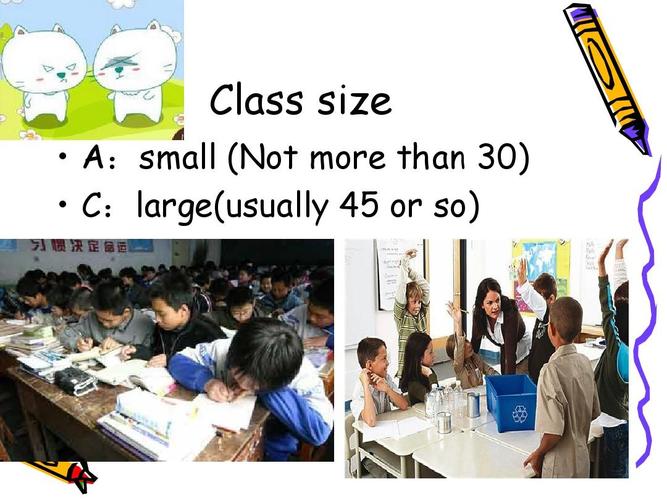
One of the most striking contrasts lies in the pedagogical approaches. In China, education is often characterized by a teacher-centered model, where instructors serve as authoritative figures who impart knowledge through lectures, rote memorization, and standardized exercises. The emphasis is placed on mastering established facts, theories, and skills, with a strong focus on academic rigor and discipline. For instance, Chinese students typically spend long hours studying core subjects like mathematics, science, and Chinese language, and their performance is heavily evaluated through high-stakes examinations such as the Gaokao (college entrance exam), which largely determines their future educational and career prospects. This system prioritizes collective achievement and uniformity, with curricula designed to ensure all students meet the same national standards.
In contrast, American education tends to adopt a student-centered approach, which encourages critical thinking, creativity, and individual expression. Teachers act as facilitators rather than authoritative lecturers, guiding students to explore topics independently, ask questions, and engage in collaborative projects. Classrooms are often dynamic spaces with discussions, debates, and hands-on activities aimed at fostering curiosity and problem-solving skills. Assessment is more diversified, relying on essays, presentations, group work, and research projects in addition to exams. This approach values individuality and innovation, allowing students to pursue their interests and develop unique strengths. For example, American schools may offer a wide array of elective courses—from art and music to coding and entrepreneurship—enabling students to tailor their education to their personal goals.
The underlying philosophies of education further highlight these differences. Confucianism has deeply influenced Chinese education, emphasizing the importance of respect for authority, diligence, and moral cultivation. Education is viewed as a means to self-improvement and social mobility, with a strong belief in the transformative power of knowledge. The collective good is often prioritized over individual desires, as reflected in the emphasis on family and societal expectations in educational decisions.
In the United States, educational philosophy is rooted in Enlightenment ideals, such as individualism, egalitarianism, and the pursuit of happiness. Education is seen as a tool for personal fulfillment and democratic participation, preparing students to contribute to a diverse and pluralistic society. There is a greater emphasis on equal opportunities, with policies like public education and inclusive practices aimed at ensuring access for students from all backgrounds.

Student-teacher relationships also diverge significantly. In China, teachers are highly respected figures, and interactions are often formal and hierarchical. Students are expected to listen attentively, follow instructions, and defer to the teacher’s expertise. This dynamic fosters a sense of order and respect but may limit open dialogue or questioning.
In American classrooms, relationships are typically more informal and egalitarian. Teachers encourage students to challenge ideas, express opinions, and engage in peer-to-peer learning. This relaxed atmosphere promotes active participation but sometimes requires careful balance to maintain structure and respect.
Extracurricular activities and the role of family further illustrate cultural differences. In China, academic pursuits often take precedence over extracurriculars, with families investing heavily in tutoring and supplementary study to enhance academic performance. Parental involvement is intense, with high expectations for children’s success as a source of family pride.
In the U.S., extracurricular activities—such as sports, clubs, and community service—are integral to education, valued for teaching teamwork, leadership, and time management. Family involvement is also significant, but there is greater emphasis on fostering independence, with parents encouraging children to explore diverse interests and make their own choices.
The following table summarizes key differences in educational approaches:
| Aspect | China | United States |
|---|---|---|
| Teaching Model | Teacher-centered, lecture-based | Student-centered, interactive |
| Assessment | Standardized exams (e.g., Gaokao) | Diverse methods (essays, projects, exams) |
| Educational Philosophy | Confucianism: discipline, respect, collectivism | Enlightenment: individualism, critical thinking |
| Student-Teacher Dynamic | Formal, hierarchical | Informal, egalitarian |
| Extracurriculars | Limited focus on academics | Emphasis on holistic development |
| Family Role | High expectations, heavy investment | Support for independence, diverse interests |
These differences are not inherently superior or inferior but reflect cultural priorities. Chinese education excels in building strong foundational knowledge and discipline, while American education nurtures creativity and adaptability. As globalization increases, cross-cultural educational exchanges are becoming more common, offering opportunities to blend the strengths of both systems. For instance, some Chinese schools are incorporating more interactive teaching methods, and American educators are adopting structured curricula to improve academic rigor.
In conclusion, the educational and cultural differences between China and the United States stem from deeply rooted values and traditions. By recognizing and appreciating these distinctions, educators, students, and policymakers can work toward more inclusive and effective global education systems.
FAQs
-
How do cultural values influence classroom behavior in China and the U.S.?
In China, cultural values like collectivism and respect for authority lead to more orderly, teacher-directed classrooms where students prioritize group harmony and academic diligence. In the U.S., individualism and egalitarianism foster interactive, student-led environments where active participation and self-expression are encouraged. These differences shape how students engage with material and interact with peers and teachers. -
What are the challenges for Chinese students adapting to American education?
Chinese students may struggle with the emphasis on critical thinking and self-directed learning, as they are accustomed to more structured, teacher-guided instruction. Additionally, the informal classroom culture and focus on extracurriculars can be unfamiliar. However, many adapt by leveraging their strong foundational skills and gradually embracing collaborative and creative approaches to learning.